

CARACAS, Venezuela — The C.I.A. conducted a drone strike against a Venezuelan port facility last week, marking the first known American operation inside the country. While the attack destroyed a dock purportedly used by the criminal organization Tren de Aragua to store and transport narcotics, officials briefed on the operation stated there were no casualties.
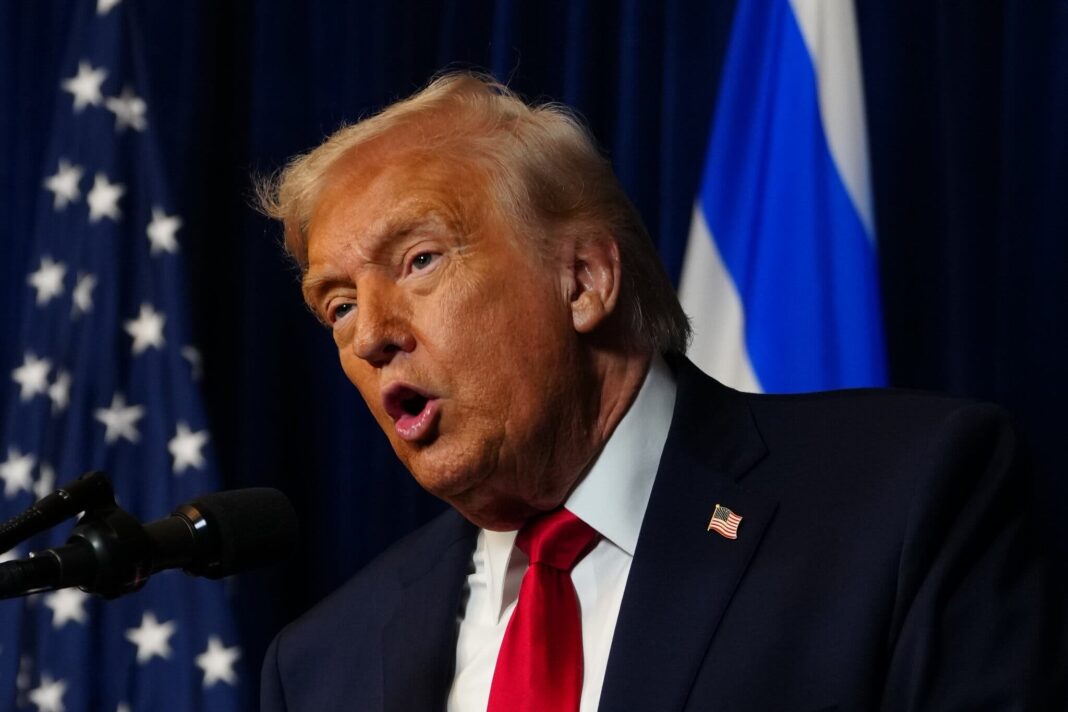
President Trump confirmed U.S. responsibility for the strike during remarks at Mar-a-Lago on Monday, describing a “major explosion” that eliminated a drug “implementation area”. The strike occurred on Venezuelan soil—likely last Wednesday—signaling a shift from previous U.S. operations that were restricted to international waters.
The Venezuelan government has not officially commented on the specific strike, though Interior Minister Diosdado Cabello denounced what he termed “imperial madness” and ongoing harassment from the United States. The Pentagon currently maintains MQ-9 Reaper drones in Puerto Rico as part of an escalating pressure campaign against the government of Nicolás Maduro.
Escalation in the Andes: The Strategy of Precision Strikes
The recent C.I.A. drone strike in Venezuela represents a pivotal transition in American foreign policy, moving from maritime interdiction to direct kinetic action within sovereign territory. Historically, the U.S. has utilized “pressure campaigns” to destabilize adversarial regimes—such as the “Maximum Pressure” campaign against Iran—but a direct strike inside Venezuela suggests a new level of military assertiveness.
By targeting the Tren de Aragua gang, the Trump administration is attempting to dismantle the financial infrastructure that allegedly supports the Maduro government. This reflects a broader geopolitical trend where non-state actors (gangs or cartels) are viewed as extensions of the state itself. However, intelligence agencies remain divided on the depth of the ties between the Venezuelan government and these criminal organizations.
The use of an MQ-9 Reaper , a platform famously utilized for counter-terrorism in regions like Pakistan and Yemen, underscores the “securitization” of the drug war. By framing narcotics trafficking as a national security threat equivalent to terrorism, the administration justifies the use of clandestine C.I.A. assets over traditional law enforcement methods.