

The “America First” doctrine is no longer just a campaign slogan—it is now the official marching order for the United States military.
In a sweeping, politically charged overhaul of national security priorities, the Pentagon released its latest National Defense Strategy late Friday. The 34-page document signals a seismic shift in global power dynamics, explicitly demanding that long-standing U.S. allies in Europe and Asia stop “subsidizing” their security with American tax dollars and take the lead in their own defense.
By deprioritizing the containment of China in favor of asserting “dominance” over the Western Hemisphere, the Trump administration is effectively redrawing the map of American interests.
A “Sharp Shift” in Global Responsibility
The new strategy replaces the Biden-era focus on China as a “pacing challenge” with a blunt ultimatum to America’s partners. From the opening sentence, the document makes its intent clear: the U.S. government will no longer neglect “concrete interests” in favor of overseas intervention.
Key shifts in regional responsibility include:
- Europe: The Pentagon asserts that NATO members are now powerful enough to take “primary responsibility” for conventional defense against Russia.
- South Korea: The document states Seoul is capable of deterring North Korea with “limited” U.S. support, suggesting a drawdown of the American footprint on the peninsula.
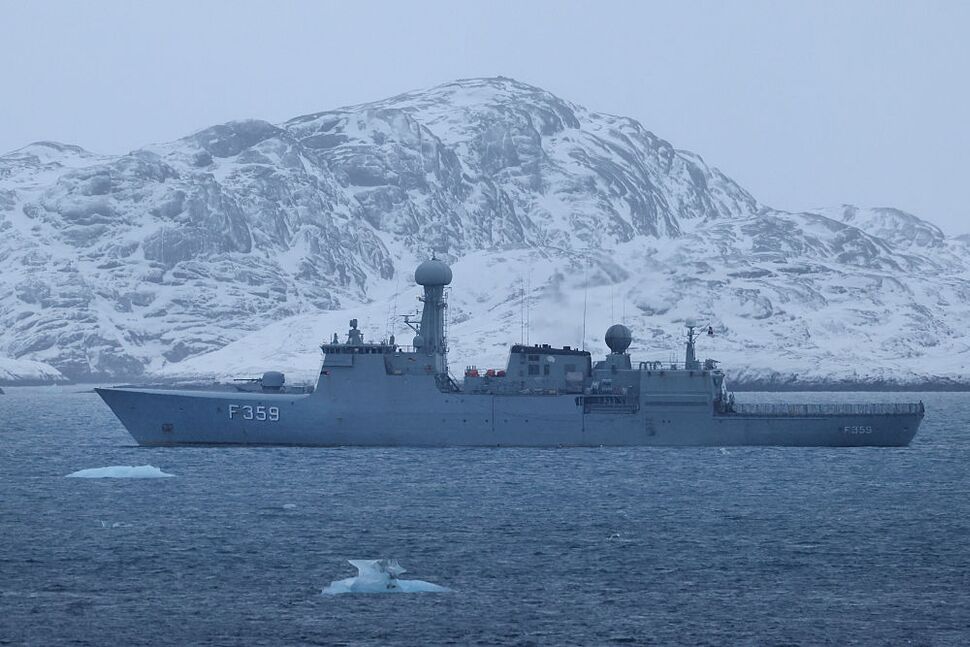
- The Atlantic & Arctic: Defense Secretary Pete Hegseth’s department is now tasked with guaranteeing military and commercial access to “key terrain,” specifically targeting Greenland.
Focus Shifts to the “Backyard”: Panama and Greenland
While the U.S. pulls back from traditional frontlines in Eurasia, it is leaning heavily into its own hemisphere. The administration has placed a massive bullseye on two strategic assets: the Panama Canal and Greenland.
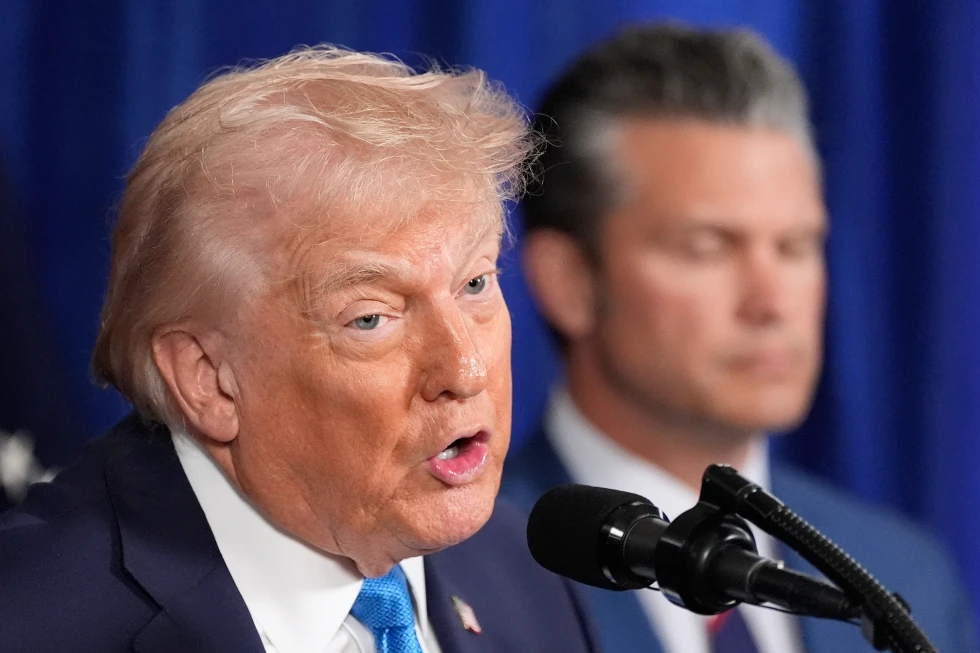
President Trump has signaled that “reclaiming” the Panama Canal remains “on the table,” citing concerns over Chinese influence in the region. Simultaneously, the administration is moving forward with a framework for “total access” to Greenland for Arctic security, despite Danish officials noting that formal negotiations have yet to actually begin.
A New “Stable Peace” with China?
Perhaps the most surprising pivot is the administration’s cooling rhetoric toward Beijing. While previous strategies viewed China as a top adversary to be countered at every turn, this blueprint describes China as a “settled force” in the Indo-Pacific.
- Deterrence over Dominance: The goal is no longer to “strangle or humiliate” China, but simply to deter them from dominating the U.S..
- The Taiwan Silence: Notably, the document makes no mention of security guarantees for Taiwan, a stark departure from the 2022 strategy that pledged to support the island’s “asymmetric self-defense”.
- Communication: The Pentagon plans to open wider military-to-military communication channels with the Chinese army to maintain “stable peace”.
Why This Matters: The End of the “Security Umbrella”
This strategy represents more than just a policy change; it is an ideological pivot that questions decades of strategic relationships. For U.S. allies, the message is “pay up or play on your own.” By reducing troop presences on NATO’s borders and emphasizing “focused, decisive action” only where U.S. interests are at stake, the administration is signaling the end of the American security umbrella as the world once knew it.
Key Takeaways:
- Regional Autonomy: Allies from NATO to Seoul are expected to fund and lead their own conventional defense.
- Western Dominance: The U.S. military will prioritize securing the Panama Canal and Greenland over Asian “regime change”.
- Strategic Silence on Taiwan: The lack of a Taiwan guarantee signals a potential shift in how the U.S. manages its obligations in the Pacific.