

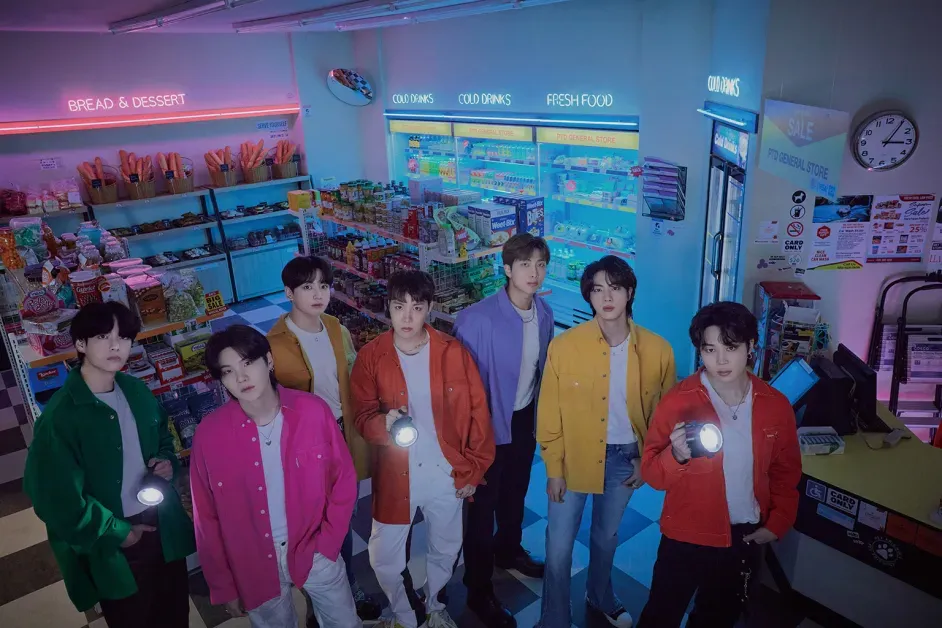

SEOUL — Global K-pop icons BTS officially confirmed their return to the music scene, announcing the release of their fifth full-length album on March 20. The project, featuring 14 tracks, represents the group’s first collective effort since members RM, Jin, Suga, J-Hope, Jimin, V, and Jungkook completed their mandatory South Korean military service. While the album’s title remains undisclosed, BigHit Music stated the work focuses on the members’ “honest introspection” and individual perspectives.
Supporting the new release, BTS will embark on a global world tour, their first large-scale trek since 2022. Tour dates and specific venues are scheduled for reveal on Jan. 14. To manage the comeback rollout, the group launched a dedicated countdown website and reset their official Instagram account. This return follows a nearly four-year hiatus, aiming to build on a legacy that includes six No. 1 albums on the Billboard 200.
Analysis: The Geopolitical and Economic Impact of the K-Pop Return
The return of BTS is not merely a musical milestone; it is a significant economic and cultural event. The group’s hiatus, necessitated by South Korea’s mandatory military service, served as a “litmus test” for the global longevity of the Hallyu wave. During their absence, the individual members maintained market presence through solo ventures, but the reunion signals the restoration of a multi-billion dollar “soft power” engine. For context, their 2022 Permission to Dance on Stage tour grossed over $75 million from just 11 shows, illustrating the massive scale of their commercial reach.
Furthermore, the “honest introspection” mentioned in the press release suggests an evolution in the K-pop idol model. Traditionally, the industry has favored highly produced, idealized personas. However, by weaving individual perspectives into a collective 14-track narrative, BTS is leaning into “authenticity”—a commodity that has proven essential for maintaining a deep, parasocial connection with their global fanbase, ARMY.