

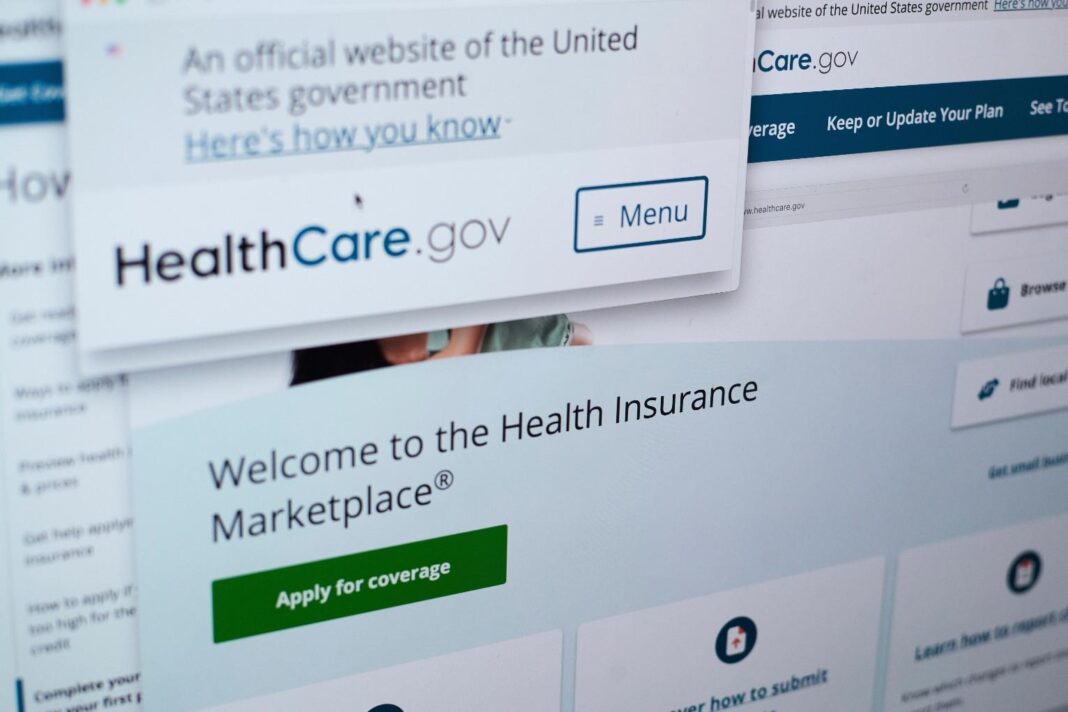

NEW YORK — Millions of Americans face a sharp increase in health insurance costs as enhanced tax credits for the Affordable Care Act (ACA) expired overnight. On average, more than 20 million subsidized enrollees are experiencing a 114% surge in premium costs at the start of 2026.
While a House vote scheduled for January may offer a potential extension, its success remains uncertain following the Senate’s rejection of a similar three-year extension in December. The expiration primarily impacts a diverse demographic of approximately 24 million people who do not receive coverage through employers or qualify for Medicaid or Medicare, including small business owners, farmers, and the self-employed.
Industry analysts from the Urban Institute and Commonwealth Fund project that these steep hikes could prompt 4.8 million Americans to terminate their coverage entirely in 2026. This exodus, particularly of younger and healthier enrollees, threatens to destabilize the program by leaving an older, higher-risk population that further drives up systemic costs.
The subsidies were initially implemented in 2021 as a temporary pandemic relief measure. Under these expanded provisions, lower-income enrollees often paid no premiums, while higher-income individuals saw costs capped at 8.5% of their total income. Congressional gridlock has stalled relief efforts, with Republicans recently prioritizing health savings accounts over subsidy extensions. As the Jan. 15 enrollment deadline approaches, many families report their monthly payments are doubling or tripling, forcing difficult choices between maintaining coverage and meeting other essential expenses.
Detailed Analysis: The Economic and Social Toll of the Subsidy Cliff
The expiration of these tax credits represents more than a legislative lapse; it creates a “subsidy cliff” that threatens the financial stability of the American middle class. For many, the ACA was a vital safety net that transformed healthcare from an unattainable luxury into a predictable monthly expense.
Consider the dramatic shifts in individual financial obligations. For a single mother like Katelin Provost, the expiration means a monthly premium jump from $85 to nearly $750. Such a 782% increase often forces “coverage shedding,” where parents keep insurance for their children while forgoing their own medical security. For individuals with chronic conditions or disabilities, such as Salt Lake City resident Stan Clawson, the insurance is a non-negotiable necessity, even as his costs climb to $500 a month.
The broader economic concern is the “death spiral” effect. When premiums skyrocket, the “young invincibles”—healthy individuals who use fewer services—are the first to drop out. This leaves a pool of enrollees with higher medical needs, forcing insurers to raise rates further to cover costs, eventually making the Marketplace unsustainable for all but the wealthiest or sickest participants.