
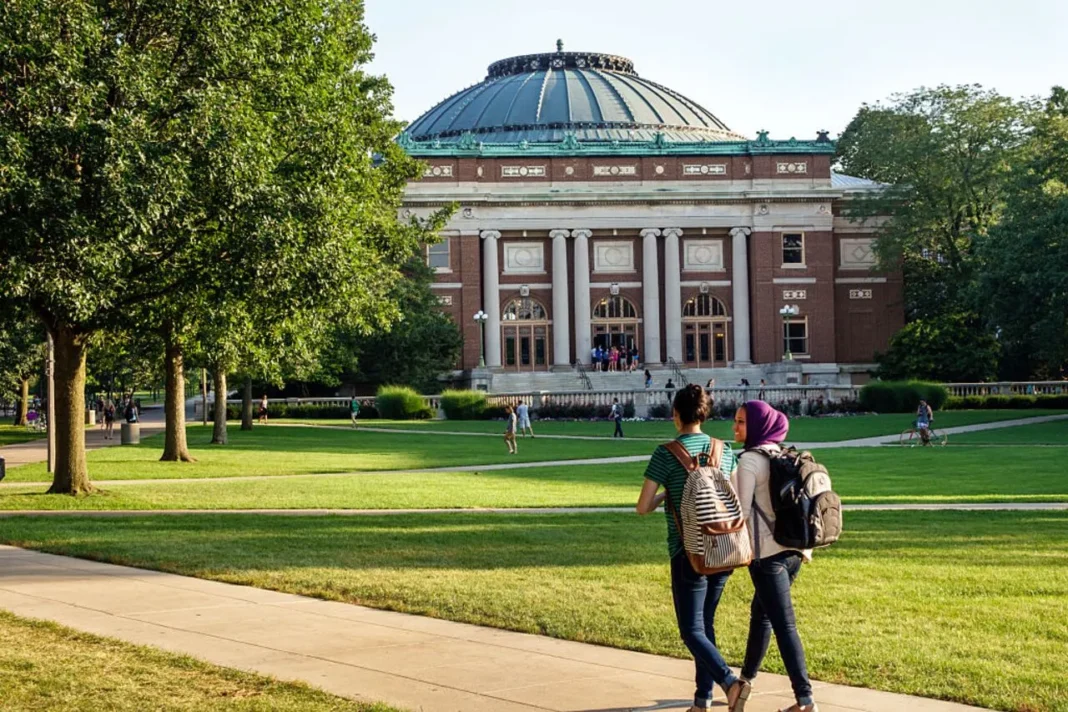

COLUMBUS, OH — Visibly Muslim women are navigating an increasingly precarious environment on American university campuses as reports of discrimination and physical safety concerns reach record highs. Recent data from 2024 and 2025 reveal a significant disconnect between institutional diversity initiatives and the lived experiences of “hijabi” students—those who wear the traditional headscarf.
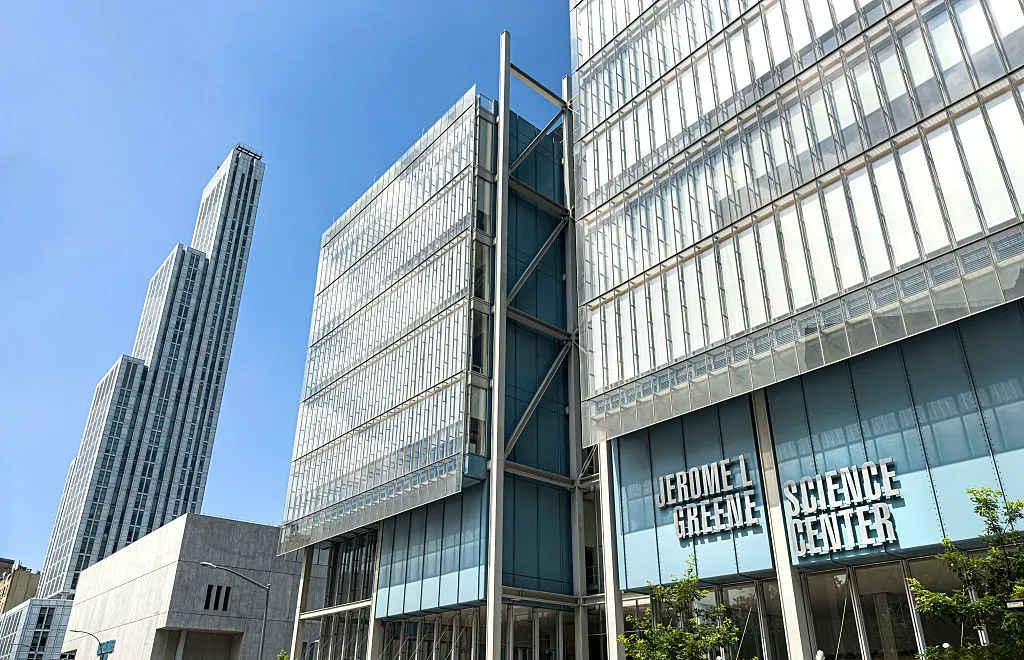
At Harvard University, a 2024 survey indicated that 56% of Muslim students feel physically unsafe on campus, a figure that dwarfs the percentages reported by Jewish (26%), Christian (12%), and atheist (6%) peers. Furthermore, 80% of Muslim students expressed discomfort sharing their views, suggesting a climate of pervasive silencing. Similar trends emerged at Columbia University, where 82% of Muslim students reported anxiety regarding the expression of their beliefs.
This surge in hostility coincides with heightened Middle East tensions following the October 7, 2023, attacks. The Council on American-Islamic Relations (CAIR) noted that reports of anti-Muslim and anti-Arab discrimination in the U.S. have surpassed levels recorded after the 9/11 attacks. Research suggests the hijab often serves as a catalyst for this targeting, with students reporting being spurned or viewed as “dangerous” due to their visible religious identity.
Beyond overt harassment, students face systemic exclusion within academic infrastructure. Hind Haddad, a doctoral researcher at The Ohio State University, argues that campus climate surveys frequently overlook the “layered forms of exclusion” hijabi students encounter in classrooms and advising offices. Common grievances include the scheduling of major exams during Ramadan and faculty members asking Muslim students to act as spokespeople for “their people” during discussions on terrorism.
To mitigate these issues, advocates call for universities to integrate Muslim students into policy-making processes and provide faculty training on “subtle and systemic” Islamophobia.