

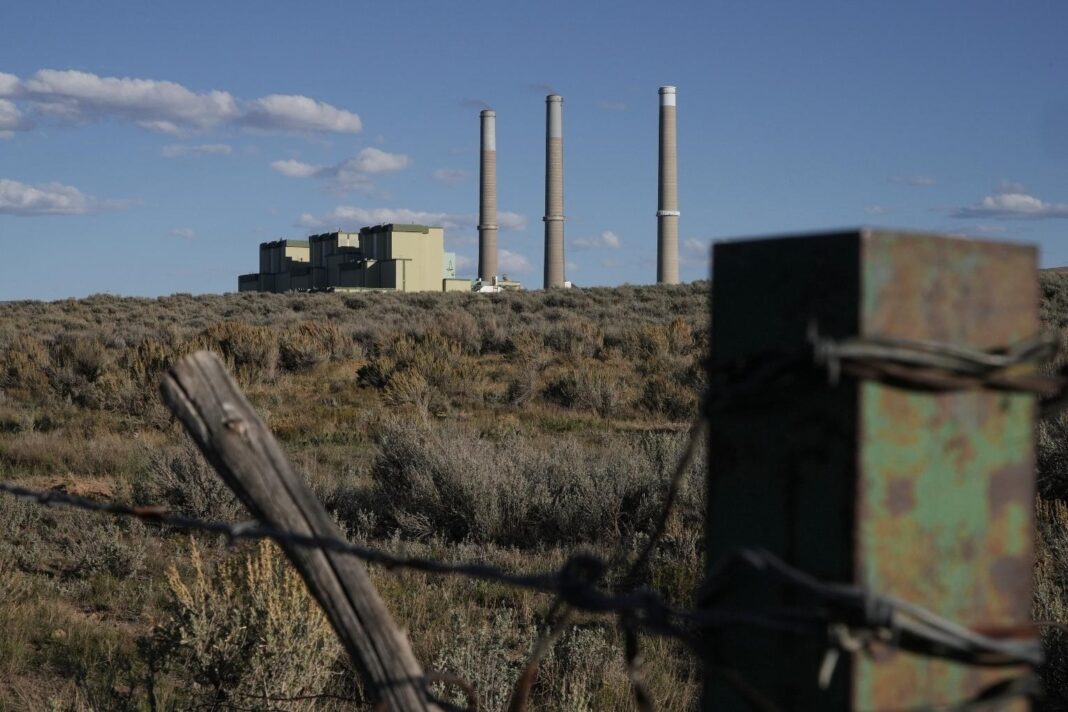

FORT COLLINS, Colo. — Energy Secretary Chris Wright issued an emergency order Tuesday requiring the owners of Craig Station’s Unit 1 to remain operational past its scheduled Wednesday retirement. The Trump administration cited a critical shortage of electricity and reliable generation in the northwestern United States as the primary justification for the intervention.
Compliance with the mandate requires the Tri-State Generation and Transmission Association and its partners to repair a broken valve that has kept the 440-megawatt unit offline since December 10. While the 45-year-old generator was slated for a 2025 closure due to economic factors and environmental regulations, the federal government has now blocked that transition. This move follows similar recent Department of Energy interventions to prevent coal plant closures in Indiana, Michigan, and Washington
Analysis: Federal Intervention in a Decarbonizing Market
The administration’s order represents a significant friction point between federal energy policy and the broader utility industry’s shift toward natural gas and renewable energy. For decades, market forces and state-level mandates have favored lower-cost, less-polluting sources, yet the current administration is increasingly utilizing emergency powers to preserve coal’s role in the national grid.
This tension is most visible in the financial burden placed on local cooperatives. Tri-State CEO Duane Highley noted that as a not-for-profit entity, the costs of these mandated repairs and continued operations will fall directly on its membership. This federal-local conflict mirrors broader national debates where the executive branch seeks to bolster traditional energy sectors while states like Colorado attempt to transition toward a green economy. For residents in Craig, a town of 1,000, these shifting policies create a “dizzying political hammer” that complicates long-term economic planning for a post-coal future.