

The global order shifted under the weight of two unlikely forces this week: a territorial dispute over the world’s largest island and the shrinking waistlines of the American public. From the snowy peaks of Davos to the boardrooms of major U.S. airlines, the narrative of “size” dominated the headlines—whether it was the scale of President Donald Trump’s Arctic ambitions or the downsizing of restaurant portions to accommodate the “Ozempic” era.
The Arctic Standoff: Nobel Snubs and Tariff Threats
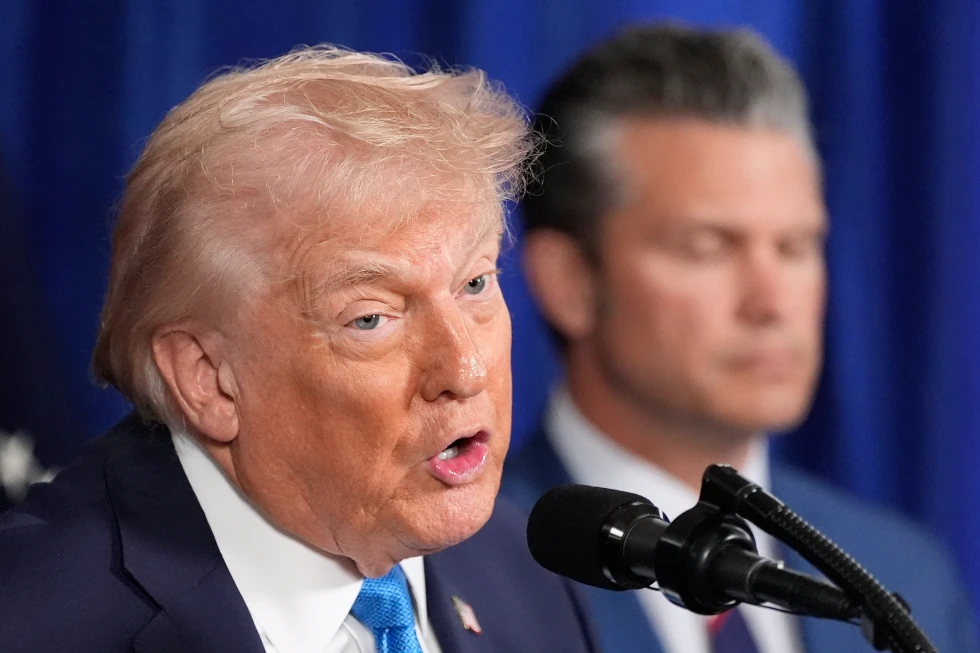
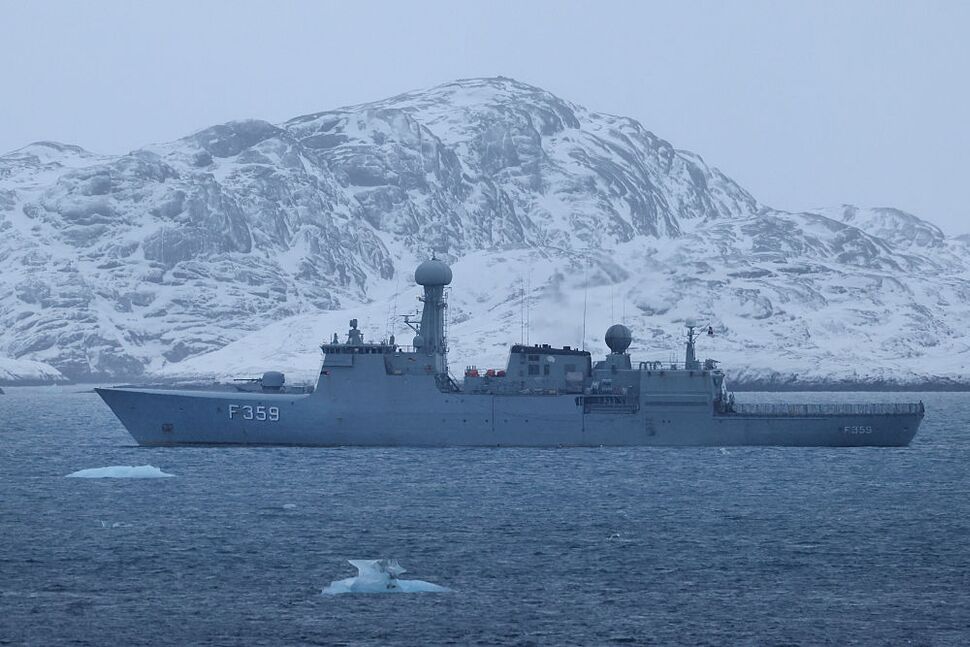
Geopolitical tensions hit a boiling point early in the week when President Trump intensified his pursuit of Greenland, a self-governing territory of Denmark. In a move that sent shockwaves through NATO, the President sent a threatening letter to Norway’s prime minister. The correspondence reportedly bemoaned his failure to secure the Nobel Peace Prize and hinted that the annexation of the icy island was now on the table.
The rhetoric quickly turned into a trade ultimatum. Trump threatened to slap 10% tariffs on eight European nations that opposed his plans—a levy set to skyrocket to 25% by June 1 if no deal is reached. European leaders didn’t blink. The European Commission president warned that such tariffs would “undermine transatlantic relations,” while other officials vowed to hold their ground.
The ‘Ozempic’ Windfall: $580 Million in Airline Savings
While the President was focused on acquiring land, American businesses were focused on a different kind of shrinkage. The explosion of GLP-1 weight-loss drugs like Ozempic and Wegovy is beginning to reshape the U.S. economy.
Airlines are emerging as the surprise beneficiaries of a slimmer America. A new analysis reveals that the “Big Four” carriers—American, Delta, Southwest, and United—stand to save a staggering $580 million in annual fuel costs as passengers lose weight. The logic is simple: lighter loads require less jet fuel, and the ripple effect of millions of passengers shedding pounds is hitting the bottom line in a big way.
Food purveyors are also feeling the “Ozempic effect.” National restaurant chains are reportedly scaling back portion sizes to meet the diminished appetites of GLP-1 users, while snack companies have begun rolling out “GLP-1 Friendly” labels to stay relevant in a health-conscious market.
A Fragile Peace at Davos
The week’s tensions culminated at the World Economic Forum in Davos, Switzerland. Canadian Prime Minister Mark Carney delivered a defiant address, mourning a “rules-based order” that he claimed is “fading” in favor of raw power. The subtext was a direct shot at Trump’s Greenland policy, prompting the President to retort that “Canada lives because of the United States”.
However, the week ended on a rare note of de-escalation. By Friday, Trump pledged not to use military force to take Greenland and announced on social media that a “framework of a future deal” had been reached. For now, the harsh tariffs have been shelved, and NATO allies are breathing a cautious sigh of relief.
Why This Matters
- Transactional Diplomacy: The Greenland crisis proves that territorial acquisition remains a central, if erratic, pillar of the current administration’s foreign policy, often used as a bargaining chip for trade concessions.
- The Pharmaceutical Pivot: The impact of weight-loss drugs is no longer just a medical story; it is a macro-economic shift affecting transportation, energy consumption, and the global food supply chain.
- NATO Under Pressure: The friction between the U.S. and its European allies over Arctic security suggests a long-term fracture in traditional alliances that “framework” deals may only temporarily patch.