

WASHINGTON — The rapid proliferation of artificial intelligence, landmark social media restrictions for minors, and controversial shifts in corporate pricing models emerged as the defining political and economic narratives of 2025. While artificial intelligence reshaped industries from Hollywood to high finance, international governments began implementing unprecedented digital guardrails. These developments, alongside a historic shift in Vatican leadership, signaled a fundamental reorganization of how global society manages resources and internal disagreements.
The AI Revolution: Industrial Displacement and Regulatory Friction
The explosion of artificial intelligence has transcended simple technological advancement to become a geopolitical “arms race” between the United States and China. This year, the technology reached a “rise of the internet” level of disruption, integrating into business models with minimal federal oversight.
The entertainment sector serves as a primary case study for this upheaval. Production houses have increasingly opted for AI-generated “animal actors,” which negate the logistical costs of feeding, cleaning, and training. This shift has precipitated intense legal battles over intellectual property, with studios and copyright holders disputing the ownership of AI-generated likenesses and licensed characters. Furthermore, voice actors and musicians have mobilized against “AI impersonators” and automated dubbing that threaten their livelihoods.
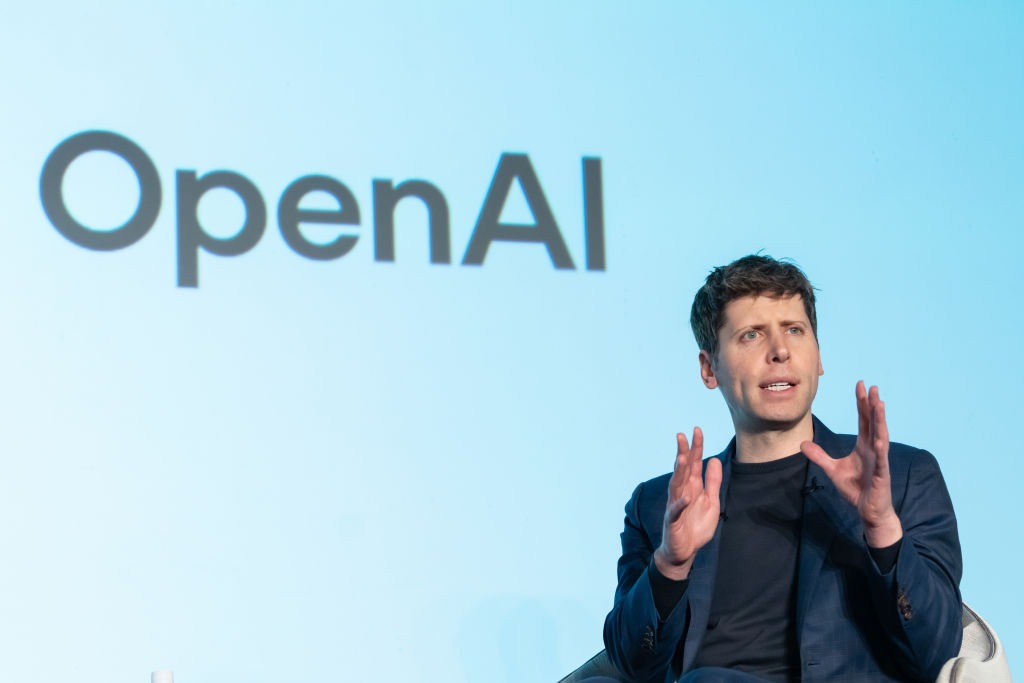
Beyond labor concerns, OpenAI and similar firms faced significant litigation regarding the interaction between AI models and minors, leading to the implementation of strict new guardrails to restrict sensitive content.
Digital Sovereignty and Social Media Prohibition
In a significant departure from previous hands-off approaches to Big Tech, Australia enacted a landmark ban prohibiting children under 16 from maintaining accounts on most major social media platforms. This move mirrors a growing bipartisan consensus in the United States regarding the restriction of mobile devices in educational environments. Global observers are now monitoring the Australian implementation to determine if such state-mandated digital distancing will yield measurable improvements in adolescent mental health.
The Rise of Algorithmic and Surveillance Pricing
The 2025 economic landscape was further complicated by the emergence of “surveillance pricing”—a model where AI determines individualized price points based on consumer behavior.
- Instacart: The grocery delivery giant recently terminated AI-driven pricing tests following intense scrutiny from lawmakers and researchers.
- Aviation: Major carriers like Delta Airlines faced accusations of using AI to identify individual “pain points” to maximize fare revenue. While Delta maintains that personal data is not used to target customers, they acknowledged that purchasing behavior and demand continue to dictate price fluctuations.
Theological Shifts and Vatican Leadership
The year concluded with a historic milestone: the tenure of the first American Pope. His leadership has already introduced notable theological departures, including recent instructions for the Catholic laity to refrain from referring to Mary as a “co-redeemer,” a shift from the stances of certain predecessors.