

WASHINGTON — Scientific research in 2025 delivered a series of diverse breakthroughs, ranging from critical conservation successes for endangered species to unconventional medical delivery systems and advances in cellular engineering. Key developments included the first successful 3-D printing of structures within living human cells and promising reintroduction trials for the nearly extinct wild axolotl.
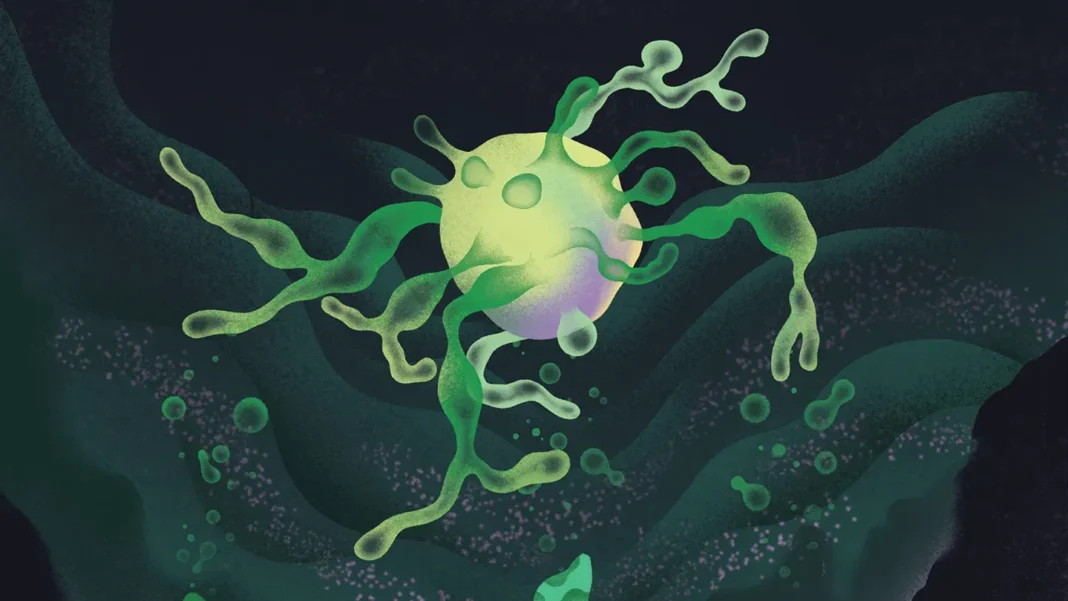
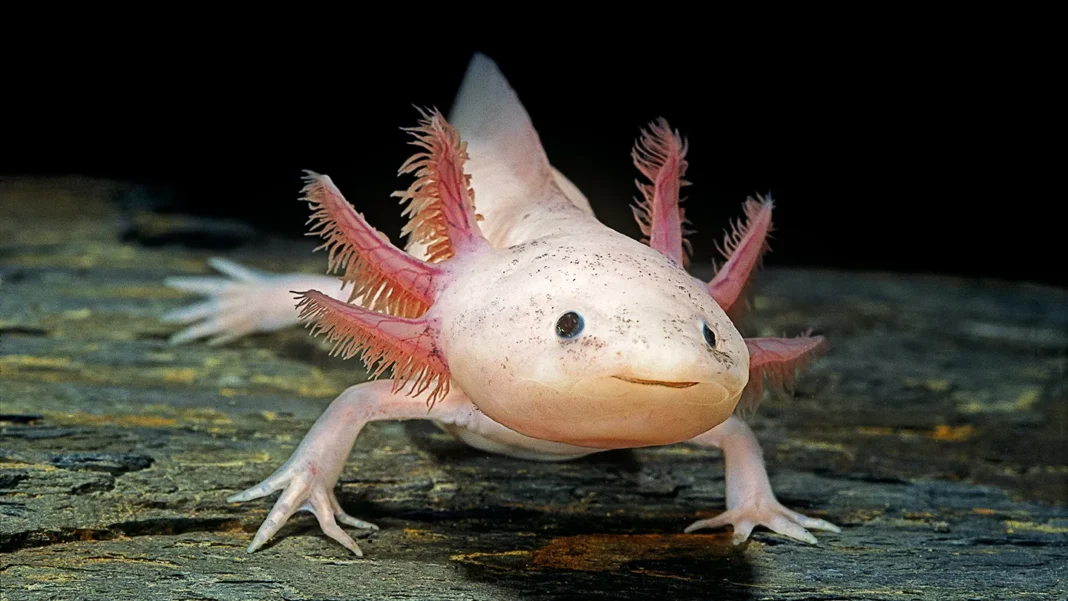
Researchers achieved a significant milestone in micromanipulation by 3-D printing a 10-micrometer “tiny elephant” inside living human cells. This achievement demonstrates a new level of precision in cellular control, potentially opening doors for advanced targeted therapies. Simultaneously, conservationists reported a “splash of hope” for the wild axolotl. By releasing captive-bred individuals into natural habitats, scientists are testing conditions necessary to replenish wild populations and prevent the amphibian’s imminent extinction.
In the medical and biological fields, 2025 saw several unconventional yet impactful studies. Researchers successfully vaccinated mice against influenza using specialized dental floss, a method that could lead to less painful immunization techniques for humans. Additionally, human trials began for enteral ventilation—delivering oxygen-rich liquid through the rectum—as a potential alternative for patients with respiratory failure.
Other notable findings from the year included:
- Physics of Sound: Scientists identified the “Helmholtz resonance” as the mechanism behind the sound of human clapping, a phenomenon similar to blowing across a glass bottle.
- Evolutionary Mimicry: In Morocco, blowfly larvae were discovered to have evolved “rear-end mimicry,” featuring false termite faces on their rears to infiltrate and survive within termite nests.
- Societal Shifts: New data indicates a narrowing gender gap in domestic labor within the U.S., as men spend more time on traditionally feminine chores like cooking and cleaning.
Essay: The Intersection of Playful Inquiry and Serious Progress
The scientific landscape of 2025 serves as a poignant reminder that the quest for knowledge often bridges the gap between the whimsical and the vital. At its core, the “joy of discovery” acts as a catalyst for expanding our understanding of the world, whether through the physics of a simple handclap or the complex survival strategies of subterranean larvae.
Take, for instance, the 3-D printing of a microscopic elephant within a human cell. While the shape itself is an exercise in “playful absurdism,” the underlying technology represents a monumental leap in bioengineering. This ability to construct precise architectures within a living environment is not merely a feat of scale; it is a precursor to a future where we can manipulate cellular behavior at a granular level to fight disease. Similarly, the use of dental floss for vaccinations might sound like a comedic footnote, but it addresses a real-world barrier: the global need for non-invasive, accessible medical delivery systems that can bypass the “needle phobia” and infrastructure requirements of traditional vaccines.
These “small moments of joy” in research are more than just curiosities. They represent a holistic approach to science where even the most “unenticing” entrance—such as testing rectal oxygen delivery—is explored to save lives. As we move into 2026, these discoveries remind us that progress is rarely a straight line; it is a tapestry woven from rigor, necessity, and a healthy dose of imagination.