

The aggressive immigration enforcement that defined the start of President Trump’s second term is no longer just a political debate; it has ignited a full-scale cultural firestorm. What began as targeted protests has evolved into a broad-based “cultural revolt” spanning the boardrooms of Silicon Valley, the stages of Hollywood, and the locker rooms of the NBA. With the 2026 midterm elections on the horizon, the administration now finds itself on the defensive as public approval for its signature policy craters.
The Tipping Point: Bloodshed in Minneapolis
The catalyst for this intensifying backlash was the death of Alex Pretti, a 37-year-old Veterans Affairs nurse fatally shot during a confrontation with federal agents. Pretti is the second U.S. citizen killed in Minnesota this month, where communities describe feeling “besieged” by thousands of federal agents.
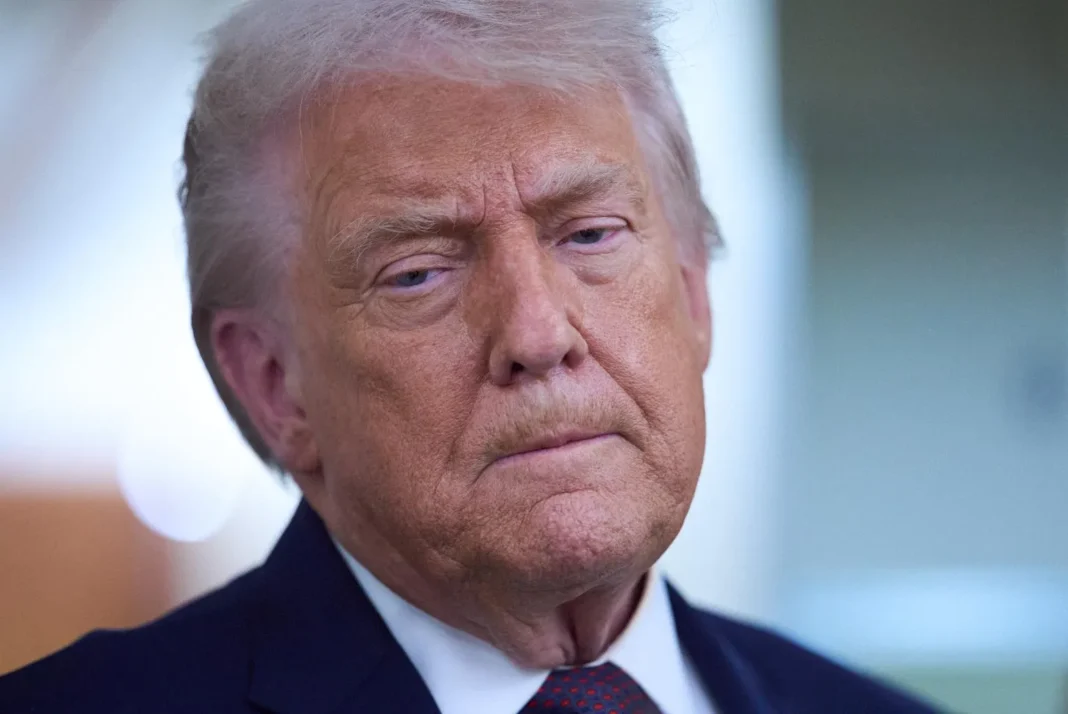
While the administration initially doubled down, Trump recently attempted to cool the temperature by replacing Border Patrol commander Greg Bovino—a controversial figure who had become a lightning rod for criticism—with border czar Tom Homan. Despite this leadership shuffle, the White House is reportedly “spooked” as Republican leaders worry the escalating violence could cost them control of Congress this fall.
Corporate and Tech Giants Break Silence
In a rare display of unified corporate dissent, more than 60 executives—including the leaders of Target, Best Buy, and UnitedHealth—issued a public letter demanding immediate de-escalation. The tech sector has been equally vocal:
- Apple CEO Tim Cook told employees he was “heartbroken” and urged the nation to treat everyone with “dignity and respect”.
- OpenAI’s Sam Altman warned staff that ICE operations are “going too far”.
- Vinod Khosla condemned what he termed “macho ICE vigilantes running amuck,” while podcaster Jason Calacanis warned that the entire “Trump 2.0 agenda” is at risk if policies aren’t reversed.
Hollywood and Sports Icons Sound the Alarm
The outrage has permeated the entertainment world with surprising speed. Bruce Springsteen released a new track, “The Streets of Minneapolis,” which directly references the death of Alex Pretti and slams “Trump’s federal thugs”. Lifestyle icon Martha Stewart took to Instagram to warn her 2.9 million followers that “things must and have to change quickly and peacefully”.
In the NBA, the sentiment is mirrored by superstars like Steph Curry, who told reporters he is “glued” to the news and that major change is required. Guerschon Yabusele of the New York Knicks was even more direct, calling the recent events “murders” and demanding the government stop current operations.
A Base Under Pressure
Despite the cultural outcry, Trump’s “Make America Great Again” base remains largely firm, with loyalists like Laura Loomer urging the president to “ramp up mass deportations even more”. However, the data suggests the broader public is moving in the opposite direction:
- Approval Plunge: Support for Trump’s handling of immigration has dropped from 49% in March to just 38% in January.
- GOP Erosion: Approval among self-identified Republicans has slipped from 88% to 76% over the same period.
- Aggression Concerns: 59% of voters now describe ICE as “too aggressive,” a 10-point spike since last summer.
Why This Matters
This shift represents a significant pivot in the American zeitgeist. For years, immigration was a winning wedge issue for the Republican party. Now, the human cost—specifically the deaths of U.S. citizens on American soil—has bridged the gap between partisan activists and the general public. If Trump cannot find a way to maintain “law and order” without alienating the business and cultural sectors, he risks a midterm “blue wave” that could paralyze his second-term legislative goals.