

Rethinking Stroke Rehab: Why Training the ‘Good’ Arm is the New Path to Independence
For decades, the gold standard of stroke rehabilitation has been a relentless focus on the “bad” side—the limb paralyzed or weakened by the neurological event. But a groundbreaking clinical trial out of Penn State College of Medicine is turning that traditional wisdom on its head.
Researchers have discovered that targeting the less-impaired arm can lead to significant gains in daily function, potentially offering stroke survivors a faster track to reclaiming their lives.
The Hidden Deficit in the ‘Healthy’ Arm
While a stroke’s impact on one side of the body is often obvious, the “unaffected” side rarely escapes unscathed. According to Robert Sainburg, chair of kinesiology and neurology at Penn State, survivors often face a 10% to 25% loss of motor coordination in their more functional hand.
“That’s a big deal in terms of what tasks you can perform for yourself and what tasks require assistance,” Sainburg noted. When a patient is already forced to rely on a single limb, even a minor loss of coordination can make the difference between buttoning a shirt independently or needing full-time care.
Virtual Reality and the ‘Virtuous Cycle’
The study, published Feb. 2 in JAMA Neurology, split survivors into two groups:
- Group A: Focused on the more-impaired arm (standard therapy).
- Group B: Focused on the less-impaired arm using innovative remediation.
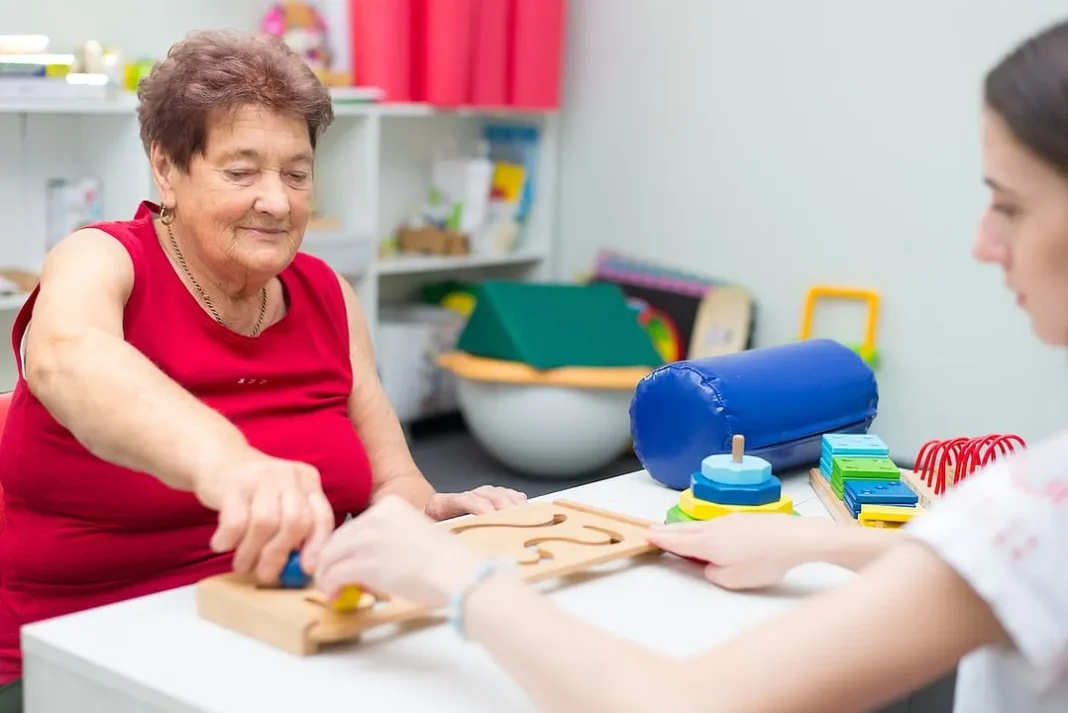
The “good” arm group engaged in high-tech training, including virtual reality shuffleboard and dexterity games, followed by real-life application. The results were striking: the “good” arm group became 12% faster at complex tasks like flipping cards or picking up small objects.
More importantly, these improvements weren’t temporary. Researchers found the gains lasted for at least six months after the five-week program ended. Sainburg refers to this as a “virtuous cycle”—once a patient regains a bit of function, they use it more, which leads to continued improvement.
Why This Matters: Reducing the Caregiver Burden
This shift in focus isn’t just about speed; it’s about dignity and the “burden of care”. When a survivor can fasten a button six seconds faster, they are more likely to do it themselves rather than waiting for help.
“This could improve quality of life and reduce the burden of care for caregivers,” said Candice Maenza, project manager at the Neurorehabilitation Research Laboratory. For the millions of Americans acting as primary caregivers for stroke survivors, these small gains in patient independence can lead to a massive reduction in daily stress.
Takeaways
- Coordination Gap: Stroke survivors often lose up to 25% of coordination in their “good” arm.
- The 12% Difference: Training the less-impaired limb made patients 12% faster at daily tasks.
- Lasting Impact: Benefits from the five-week trial persisted for over half a year.
- Independence: Small improvements in speed encourage patients to perform daily tasks without help.