

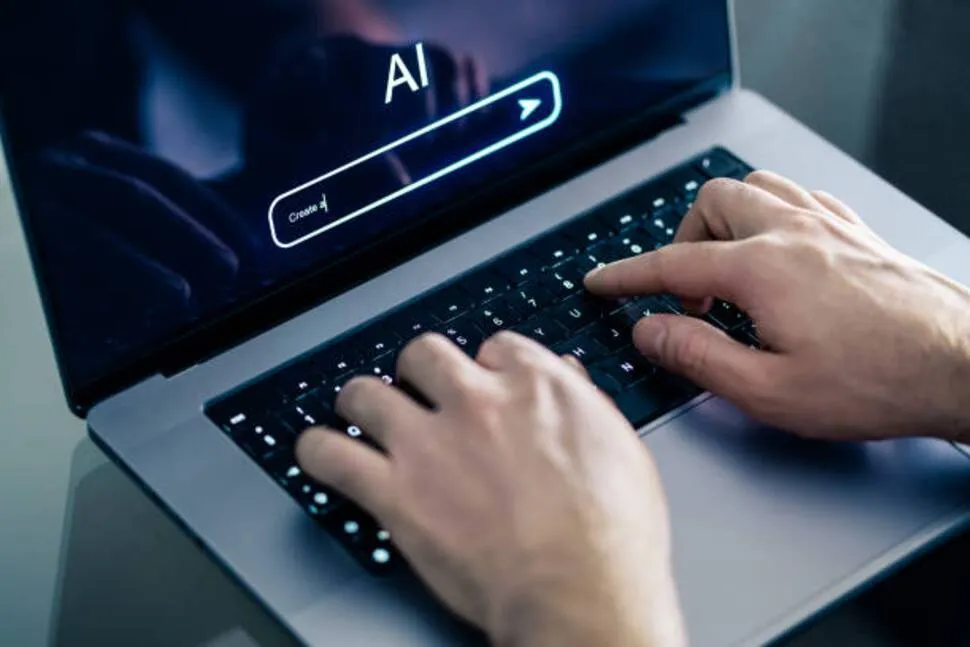

The “war on AI” in American schools is officially over—and the machines didn’t just win; they were invited to the faculty lounge. What began as a panicked wave of bans in early 2023 has transformed into a sophisticated, system-wide integration that is fundamentally changing how US students learn and teachers instruct.
The Data Surge: Why 2026 is the Year of the AI Student
Recent data from the College Board reveals a staggering shift in student behavior. In just five months during the 2025 academic year, generative AI use among high schoolers jumped from 79% to 84%. By early 2026, experts suggest that having an “AI-free” classroom is no longer a realistic goal for administrators.
“We’ve seen the pendulum swing from apprehension to excitement,” notes Harrison Parker, Executive VP at Linewize. The days of New York City Public Schools banning the tool are long gone; they, like many others, reversed course after realizing that AI is now an inseparable part of the modern workforce.
From “Cheating Machine” to Intellectual Partner
While the initial fear focused on plagiarism, the conversation in 2026 has shifted toward AI literacy. Educators are no longer asking if students will use ChatGPT, but how they can use it to deepen their thinking.
- Customized Study Aids: Students are using their own class notes to prompt ChatGPT to generate practice quizzes and simulated exams.
- Draft Critiques: Instead of just writing essays, students use the AI as a mock evaluator to find holes in their arguments or formulate counterclaims.
- Polishing, Not Replacing: The tool has evolved into a high-powered collaborator for brainstorming and refining grammar rather than a simple “copy-paste” shortcut.
Erik Guzik, an assistant professor at the University of Montana, describes this as a shift from a search tool to an “intellectual partner.” Unlike Google, which finds existing information, ChatGPT synthesizes and produces entirely new text, forcing students to act as “task stewards” who must verify and audit the AI’s output.
The Risks: Hallucinations and Privacy Gaps
Despite the enthusiasm, the “intelligence” in AI remains a misnomer. Experts warn that ChatGPT does not know “facts”; it predicts likely responses based on patterns.
“It can miss context, show bias, or invent information,” warns Guzik. “Human oversight isn’t just a suggestion—it’s a requirement.”
Beyond accuracy, data privacy remains a top-tier concern for 2026. Schools are being urged to prioritize tools that are transparent about data collection and comply with strict student privacy laws. While OpenAI requires users to be at least 13, the reality is that younger children are already navigating these interfaces, making parental monitoring more critical than ever.
Why This Matters: The New Grading Paradigm
As AI becomes the standard, the way we measure “smarts” is changing. Many educators are ditching the focus on the final product in favor of the process. Assignments now often require students to submit their initial drafts, their AI prompts, and their reflections on how the tool helped (or hindered) their work.
Grading in 2026 is less about “simple accuracy” and more about personal insight and critical reasoning. AI isn’t a passing trend; it’s the new calculator. The challenge for the next generation isn’t finding the answer—it’s asking the right question.
Takeaways
- Massive Adoption: 84% of high schoolers now utilize generative AI for schoolwork.
- Policy Reversal: Major districts have shifted from banning AI to teaching responsible use.
- New Skills: “Prompt engineering” and “critical auditing” are becoming core classroom skills.
- Safety First: Privacy and age-restriction compliance (13+) remain significant hurdles for families.