

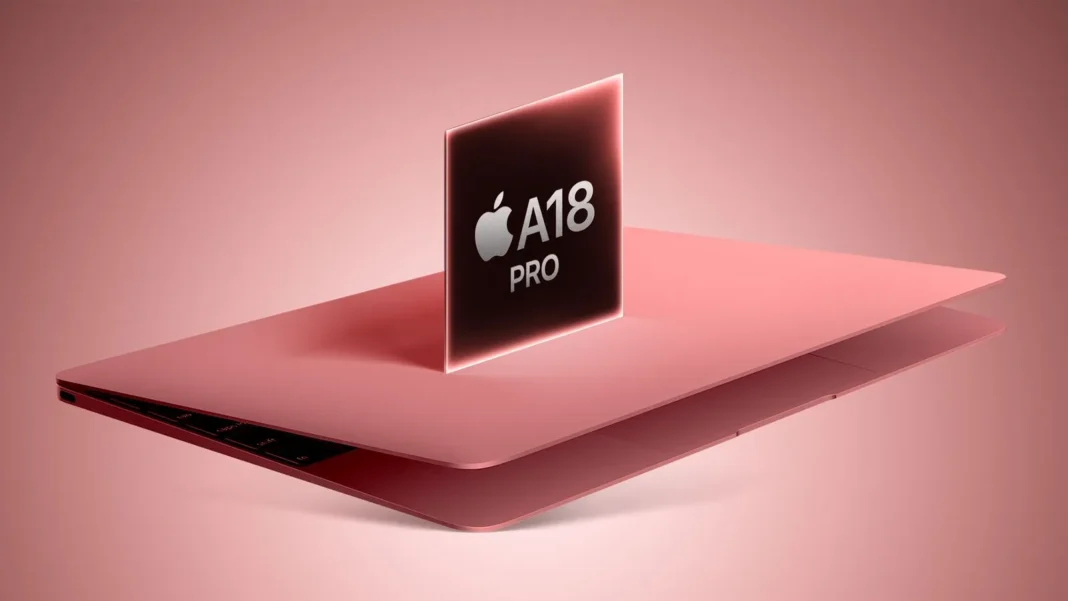

CUPERTINO, Calif. — Apple is developing a low-cost MacBook slated for release in the first half of 2026 to compete directly with affordable Chromebooks and Windows PCs. Positioned below the current $999 MacBook Air, this new laptop will reportedly utilize the A18 Pro chip—the same processor found in the iPhone 16 Pro—marking a strategic shift toward utilizing A-series silicon in its computing lineup.
The upcoming device is expected to feature a display of approximately 13 inches, potentially adopting a slightly more compact form factor than the 13.6-inch MacBook Air. To maintain a competitive price point, Apple will likely employ a standard LCD panel, omitting premium features such as mini-LED technology or ProMotion refresh rates. While specific pricing remains unconfirmed, industry analysts suggest the device could be positioned between $499 and $799, filling a critical gap in Apple’s portable hardware ecosystem.
The integration of the A18 Pro chip ensures the device remains highly capable for day-to-day productivity. Benchmarks indicate the chip offers single-core performance comparable to the M3 Ultra and multi-core capabilities exceeding the original M1 chip. This efficiency, combined with the larger internal volume of a laptop chassis compared to a smartphone, suggests the device could match or exceed the 18-hour battery life currently offered by the MacBook Air.
Expanding the Ecosystem: The Strategic Implications of an A-Series MacBook
The rumored 2026 launch of a low-cost MacBook powered by the A18 Pro chip represents a pivotal moment in Apple’s hardware strategy, signaling an aggressive push to democratize macOS. By leveraging the A18 Pro, a chip built on a second-generation 3-nanometer process, Apple is effectively bridging the performance gap between its mobile and desktop ecosystems.
For years, the entry-level market has been dominated by Chromebooks and budget Windows laptops, which are ubiquitous in educational settings due to their low cost of entry. Apple’s current “budget” offering, the $999 MacBook Air, often remains out of reach for students or casual users. By introducing a device that could potentially retail near the $599 price point—similar to the M1 MacBook Air deals currently seen at retailers like Walmart—Apple can capture a demographic that previously opted for the iPad as a primary computing device.
However, unlike the iPad, this new MacBook will run macOS, providing a “real” desktop environment for tasks like file management, multi-window browsing, and light content creation. This transition is bolstered by Apple Intelligence, ensuring that even the most affordable Mac is equipped for the AI-driven future of computing.