

Ottawa Pivots: EV Mandates Scrapped for Fuel Efficiency Standards
In a significant shift for Canada’s automotive landscape, the federal government is set to unveil a new national strategy this Thursday that replaces the controversial electric vehicle (EV) sales mandate with a performance-based fuel efficiency system. The move effectively ends the rigid “all-or-nothing” approach to electrification, opting instead for a market-driven framework of standards and tradeable credits.
From Sales Targets to Efficiency Credits
Under the expected announcement, Ottawa will abandon the previous incremental targets that required 60% of new car sales to be electric by 2030 and 100% by 2035. In its place, a new system will allow manufacturers to earn credits for producing electric vehicles, with provisions to carry over existing credits from the previous mandate.
This transition mirrors recent policy shifts in the European Union, which moved away from absolute sales targets in favour of broader fuel efficiency metrics last year. While the government remains committed to its “North Star” of electrification, it is currently unclear if the new system will match the specific emission reductions projected under the original sales mandate.
The Return of the $5,000 Consumer Rebate
To support drivers making the switch, the government is expected to revive popular consumer incentives. Sources indicate that the Incentive for Zero-Emission Vehicles (iZEV) program—which was suspended over a year ago after depleting its budget—is poised for a comeback.
Key pillars of the consumer support package include:
- Direct Rebates: A return of up to $5,000 toward the purchase of a new EV.
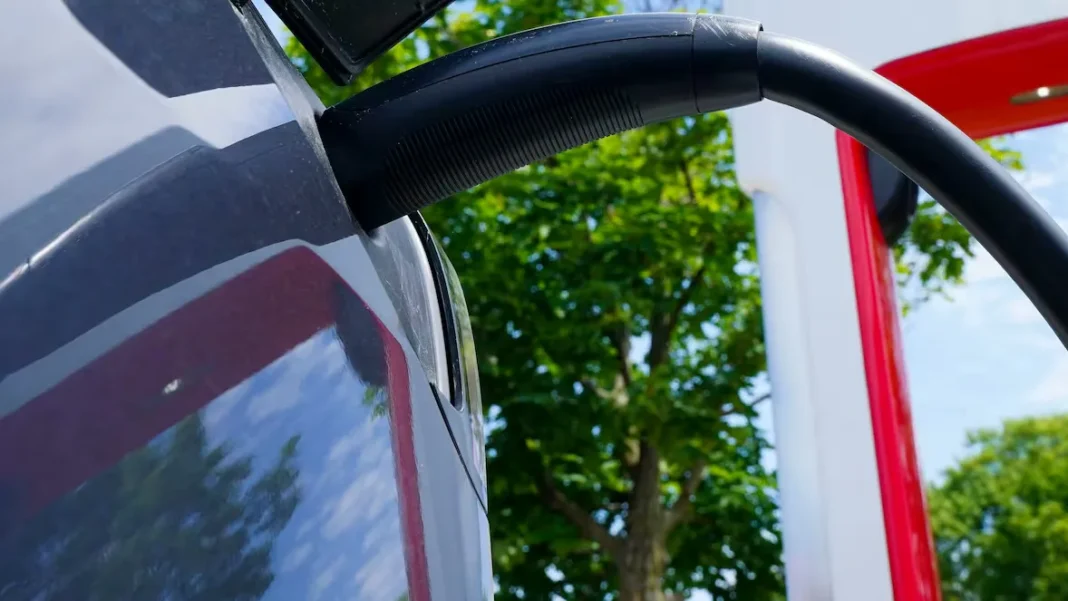
- Infrastructure Investment: New funding dedicated to expanding the network of charging stations across the country.
- Affordability Focus: Addressing the price gap between conventional internal combustion engines and electric models.
The “Carney Pivot”: Balancing Trade and Industry Pressure
The policy reversal follows intense pressure on Prime Minister Mark Carney from provincial leaders, the Conservative opposition, and an auto sector struggling under the weight of international trade tensions.
In September 2025, Carney initiated a 60-day review of the EV mandate, noting that Canadian autoworkers and manufacturers were already “feeling the brunt” of tariffs imposed by U.S. President Donald Trump. Industry Minister Mélanie Joly emphasized this week that the government must protect workers facing these “unjustified” economic pressures.
National Impact and Political Reaction
The pivot has drawn mixed reactions within the capital. Former Environment Minister Steven Guilbeault, who resigned from cabinet in November, expressed concern over scrapping the mandate entirely. “We need that mandate,” Guilbeault stated, citing essential benefits for public health and air quality, though he welcomed the return of consumer rebates.
Conversely, industry stakeholders have warned of “extraordinary” costs if the government failed to provide clarity on the transition. The new strategy seeks a middle ground, maintaining a path toward a greener fleet without the threat of immediate, prohibitive penalties on manufacturers.
Takeaways
- Policy Shift: Rigid 2030/2035 EV sales targets are being replaced by a fuel efficiency and credit system.
- Consumer Support: The iZEV program is expected to return with rebates of up to $5,000.
- Economic Context: The change is a direct response to U.S. trade tariffs and auto sector pressure.
- Infrastructure: Significant new funding for nationwide EV charging stations is anticipated.