

The New Front Line in Breast Cancer Detection: AI
For years, the medical community has grappled with a sobering reality: nearly 30% of breast cancers found after a “clear” mammogram were actually visible on the original scan but missed by the human eye. That gap is finally closing.
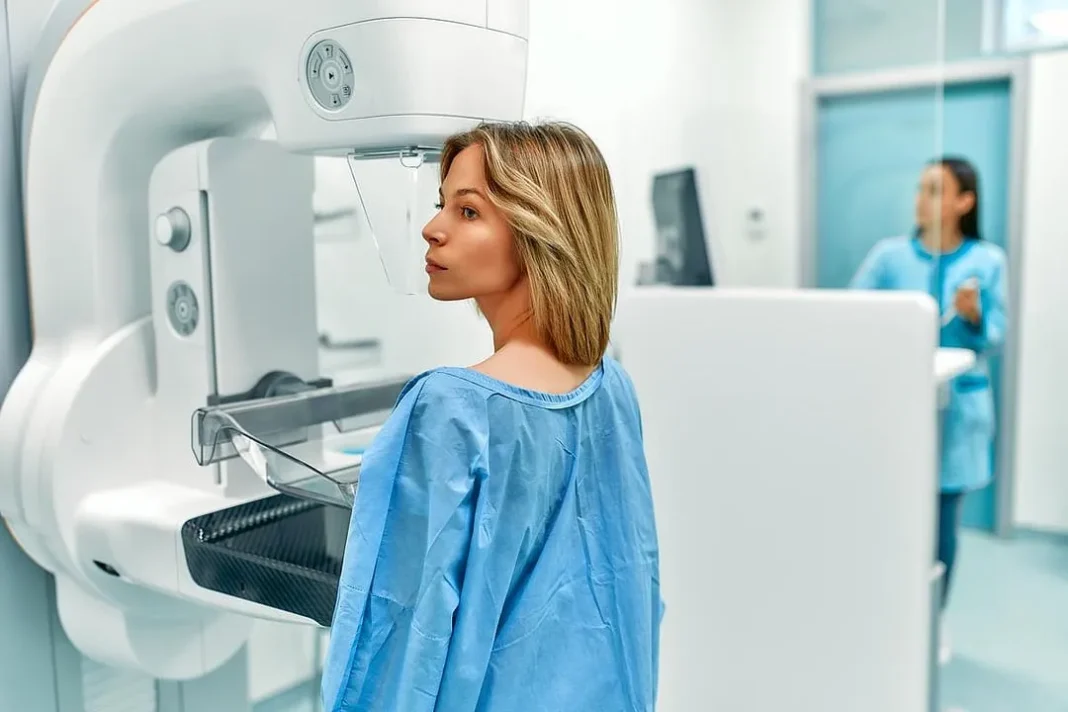
Groundbreaking clinical trial results published in The Lancet on January 29, 2026, reveal that Artificial Intelligence is no longer just a futuristic concept—it is a life-saving diagnostic tool. The study, the largest of its kind, demonstrates that AI-assisted screenings catch more hard-to-detect cancers at earlier, more treatable stages compared to traditional methods.
Smarter Screening, Fewer Surprises
The Swedish-led trial, involving over 100,000 women, compared standard double-radiologist reviews against AI-supported screenings. The results were definitive. In the years following AI-supported mammography, there was a 12% reduction in “interval cancers”—those diagnosed in the high-stakes period between regular screenings.
The AI-driven approach didn’t just find more cancer; it found the right kind. Researchers noted a significant shift in detection metrics:
- 81% of cancer cases were detected during the initial screening in the AI group, compared to just 74% in the control group.
- 27% fewer aggressive cancers went undetected until later stages.
- 21% fewer large tumors were found, indicating that the technology catches growths while they are still small and manageable.
Importantly, this increased sensitivity did not lead to a “crying wolf” scenario. The rate of false positives remained stable at approximately 1.5%, virtually identical to the 1.4% seen in standard screenings.
Tackling the Radiologist Shortage
While the clinical benefits are clear, the operational impact is equally transformative. The trial showed that AI assistance can slash a radiologist’s workload by a staggering 44%.
In a U.S. healthcare system currently plagued by staffing shortages and physician burnout, this efficiency is a game-changer. “Our results potentially justify using AI to ease the substantial pressure on radiologists’ workloads,” noted lead researcher Jessie Gommers. By automating the initial heavy lifting, AI allows human experts to focus their energy on complex clinical tasks and reduces the agonizing wait times patients often face for results.
The Human Element Remains Essential
Despite the tech’s prowess, experts are quick to clarify that the “Robo-Doc” hasn’t arrived just yet. The study emphasizes that AI is a co-pilot, not a replacement. The current model still requires at least one human radiologist to verify and interpret the AI’s findings.
Why This Matters: The Big Picture
For American patients and providers, this study provides the rigorous evidence needed to move AI from “experimental” to “standard of care.” As we face an aging population and a shrinking pool of specialists, the ability to catch 29% more cancers without increasing false alarms is the kind of “win-win” that could redefine preventive medicine.
The next steps for the research team include assessing the long-term cost-effectiveness and determining how this technology performs across different global healthcare infrastructures. For now, the message is clear: when it comes to the fight against breast cancer, the smartest eyes in the room might just be digital.
Takeaways
- Lower Miss Rates: AI-supported screenings led to a 12% drop in cancers diagnosed between scheduled mammograms.
- Earlier Intervention: The tech caught 27% more aggressive cancers and 21% more large tumors compared to traditional screening.
- Operational Efficiency: Radiologists using AI saw their screening workload drop by 44%, potentially shortening patient wait times.
- Safety First: False positive rates did not increase, ensuring that more detections didn’t lead to more unnecessary biopsies.