


The “Silent” Crisis: Why Millions Are Ignoring Their Hearts
It starts with a flutter in the chest or a few days of feeling “off.” Most young Americans—living in a high-stress, fast-paced culture—chalk it up to a long week at the office or a lingering cold. But for thousands, these aren’t just signs of burnout; they are the early warning sirens of heart failure.
A staggering new survey from Orlando Health reveals a dangerous disconnect in American healthcare: fewer than 1 in 10 Americans (only 9%) would actually schedule a visit with a cardiologist if they experienced classic heart failure symptoms. Even more alarming, roughly 50% of the population wouldn’t even bother calling their primary care physician.
“I Just Thought I Was Getting Older”
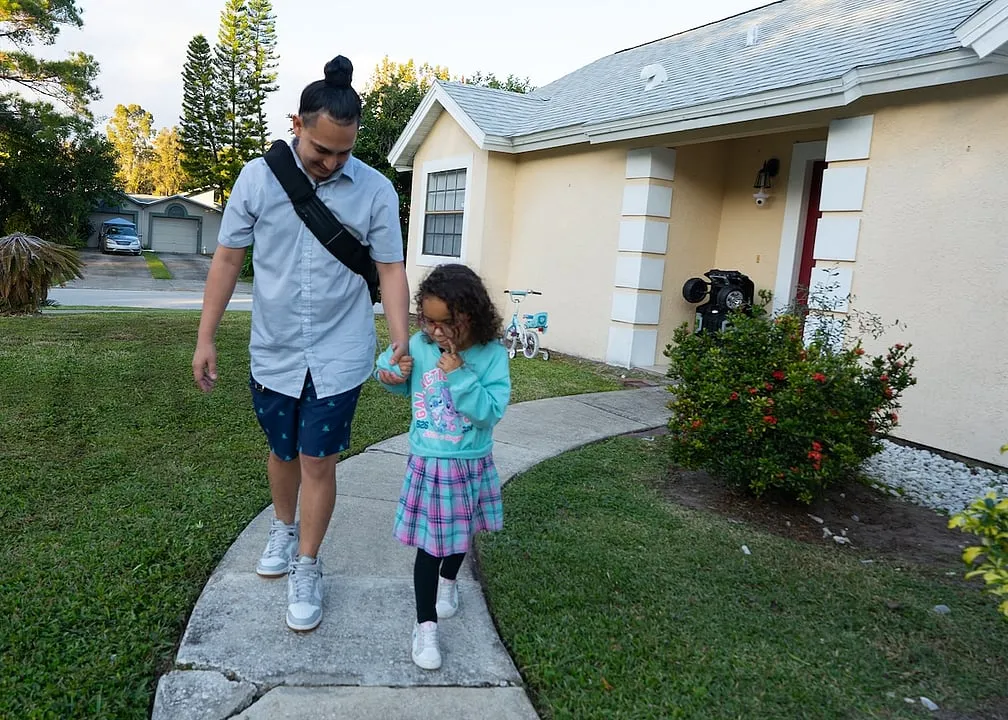
For 32-year-old Alex Balmes, the symptoms were textbook: an irregular heartbeat, sudden weight gain, and persistent fatigue. Like most people his age, he dismissed the red flags.
“I thought that’s something that comes with old age,” Balmes said. “I always just said, ‘That’s anxiety. I don’t need to go to a doctor'”.
Balmes’ story nearly ended in tragedy when his organs began to fail, leading to an emergency room visit and the surgical implantation of a left ventricular assist device (LVAD)—a battery-powered pump that now does the work his heart can no longer manage. He is now awaiting a heart transplant.
The Misdiagnosis Trap: It’s Not Just in Your Head
One of the greatest hurdles for young adults is the “young and healthy” bias—held by both patients and, occasionally, medical professionals. Dr. Yahaira Ortiz, a cardiologist at the Orlando Health Heart and Vascular Institute, warns that symptoms are frequently misread.
- Fatigue & Shortness of Breath: Often dismissed as a lingering virus or lack of sleep.
- Irregular Heartbeat: Frequently misidentified as “jitters” or a panic attack.
- Bloating & Weight Gain: Ignored or attributed to diet changes rather than fluid retention.
“When it’s a young patient, it’s usually dismissed,” Dr. Ortiz noted. “It is not standard to think that somebody that young is going to be sick”.
Why Heart Failure is Surging in Young Adults
While heart failure was once considered a “senior” condition, the landscape has shifted. According to the latest data, the prevalence of heart failure in the U.S. has climbed to 7.7 million adults, driven by a “perfect storm” of risk factors that are hitting younger generations harder and earlier.
| Risk Factor | Impact on Young Adults |
| Obesity & Diabetes | Surging rates are accelerating “Cardiovascular-Kidney-Metabolic” (CKM) syndrome. |
| High Blood Pressure | Often called the “silent killer,” it is increasingly common in 20- and 30-somethings. |
| Lifestyle Factors | Alcohol use, poor diet, and environmental stressors are contributing to earlier onset. |
Takeaways: When to Seek Help
Dr. Ortiz advises that while a minor cold is usually fine, you should seek immediate medical attention if your symptoms are “interrupting your day-to-day”.
- Persistence is Key: If your symptoms don’t resolve within a week, see a doctor.
- Trust Your Gut: If a provider dismisses your concerns but the symptoms persist, seek a second opinion or a specialist.
- Know the Signs: Shortness of breath when lying down or an inability to perform physical activities you used to do easily are major red flags.
As Alex Balmes now tells his daughter, “You don’t realize how sick you are until you get healthy”. Don’t wait for organ failure to listen to what your heart is trying to tell you.